
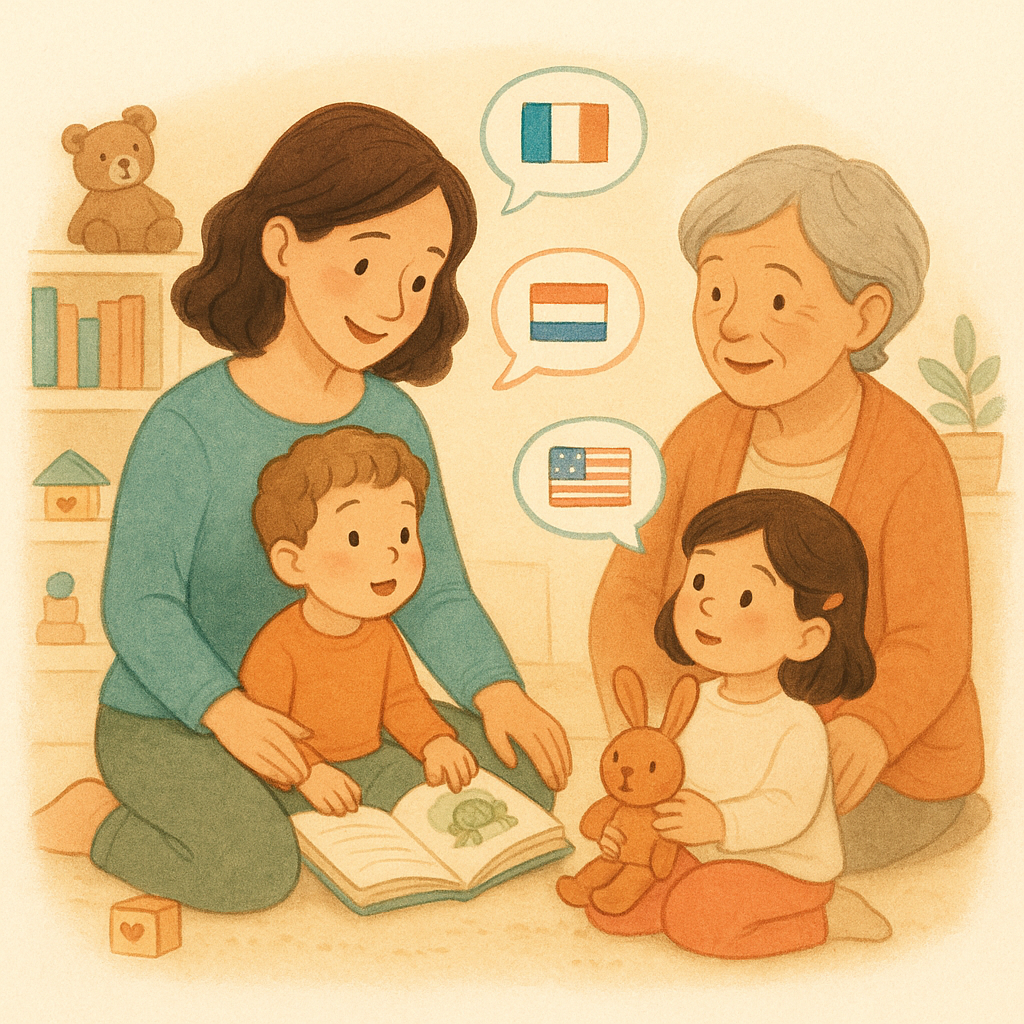
Feeling Overwhelmed About Language Exposure?
As a parent in a bilingual home, it’s normal to wonder if your child is getting enough exposure to both languages. Many parents worry that one language will dominate or that their child may face delays in speech development.
The good news is, experts reassure us that children are unique in how they acquire languages, and there’s no one-size-fits-all answer. What’s important is creating a linguistically rich environment that’s both consistent and enjoyable for your family.
Understanding Language Exposure
Research suggests that children need adequate exposure to each language for balanced bilingualism. But what does that mean in a practical sense? Speech-language experts often recommend creating environments where your child’s heritage language is naturally integrated into daily routines.
The Reality of Language Input in Bilingual Homes
In many cases, this concern is completely normal. Most parents are doing more than they realize just by speaking to their child in both languages during everyday activities. Whether it’s greeting grandparents in the heritage language or discussing the day’s events in another, these natural interactions form the backbone of language learning.
Practical Routines to Nurture Multiple Languages
- Meal Times: Try using the heritage language during meals. Describe foods, express preferences, and engage your child in choosing what they eat.
- Bedtime Stories: Alternate between languages when reading bedtime stories. This nurtures both linguistic and emotional connections.
- Playtime: Encourage simple games in the lesser-used language. This could be as easy as counting toys or naming colors.
- Family Visits: Engage family members who speak the heritage language. This can be at family gatherings or virtual chats.
Correcting Common Myths
Many bilingualism experts agree that children will not get confused by hearing multiple languages. In fact, children often transfer skills between languages, enhancing their overall cognitive ability. The key is constant exposure, which can come from a multitude of balanced sources.
What Parents Can Do Today
- Consistency Is Key: Maintain regular language use within routines, ensuring exposure to both languages.
- Be Inclusive: Include siblings and other family members in conversations, creating a rich language tapestry.
- Use Available Resources: Encourage multimedia resources, like bilingual books or songs, to naturally incorporate learning.
Encouragement for the Journey Ahead
Remember, it’s not about perfection but about the joyous process of learning and growing together. Many child development specialists note that children thrive in responsive, language-rich environments. What matters most is the love and attention you give along the way.
At NidoVoix, we understand the dedication it takes to raise multilingual children, and we are here to support you and your family every step of the way.
References
- American Speech-Language-Hearing Association (ASHA) — Information about bilingual language development
- American Academy of Pediatrics — Early language milestones
- UNICEF Parenting — Supporting multilingual children
- Montessori Foundation — Language development in early childhood